
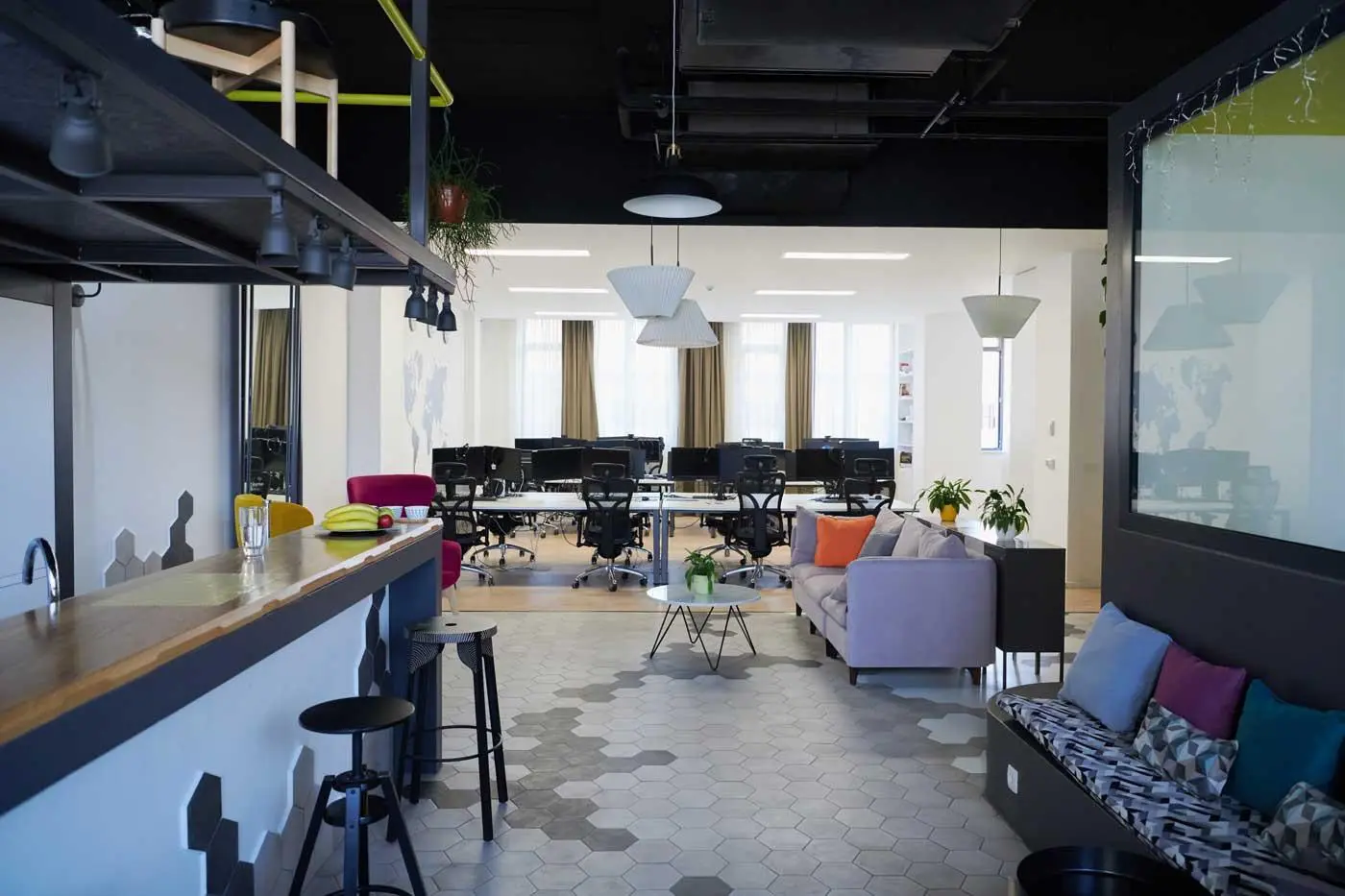
Best Office Spaces for Startups in Dublin

Finding the right office space is an important step for any startup.
Your office can influence how your team works, how clients perceive your business and how easily you can attract new employees. However, committing to the wrong space too early can leave your startup paying for desks it does not need or trapped in an inflexible agreement.
Startups need offices that provide flexibility, predictable costs and enough room to grow. The right solution may be a coworking space, a private serviced office, a managed office or a small traditional lease.
At Ping Offices, we help startups compare office space across Dublin and find options that fit their current requirements without limiting their future growth.
What Should a Startup Look for in an Office?
Every startup has different priorities, but most growing businesses need a workspace that balances affordability with flexibility.
Important considerations include:
• The number of employees using the office
• Your expected growth over the next 12 to 24 months
• The preferred location of your team
• Your monthly office budget
• The length of commitment you are comfortable making
• Access to meeting rooms and private call spaces
• Internet speed and reliability
• Whether the office is furnished
• The ability to add more desks or move into a larger office
• Access outside standard business hours
It is also worth considering how frequently employees will use the office. A hybrid team may not need one desk for every employee, while a business that works primarily from the office may need more space from the beginning.
Types of Office Space Available to Startups in Dublin
Dublin offers several types of office space, from individual coworking desks to fully private offices for larger teams.
The best option will depend on your budget, team size, growth plans and preferred level of privacy.
Coworking Space
Coworking can be a practical starting point for founders, freelancers and very small teams.
You usually rent individual desks within a shared workspace and receive access to common facilities such as meeting rooms, kitchens, phone booths and breakout areas.
Coworking can help keep costs low while providing a professional place to work. It can also offer opportunities to meet other founders, investors and service providers.
However, open-plan coworking may become distracting as your team grows. Businesses holding confidential conversations or frequent client meetings may also prefer a private office.
Private Serviced Offices
A private serviced office gives your team its own lockable office within a professionally managed building.
The office is normally furnished and ready to occupy. Internet, utilities, cleaning, reception services and access to shared facilities are usually included within one monthly payment.
Serviced offices are particularly popular with startups because they can offer:
• Short and flexible agreements
• Minimal setup costs
• Furnished workspace
• Fast move-in times
• Predictable monthly costs
• Access to meeting rooms
• Reception and visitor management
• The ability to expand within the building
A serviced office allows a startup to establish a professional base without taking responsibility for managing the entire property.
Managed Offices
A managed office can be suitable for an established startup that wants a more private and customised workspace.
The office provider typically sources, fits out and manages the space for your company. Your business receives its own dedicated office while many of the practical elements, including utilities, maintenance and internet, are handled for you.
Managed offices can offer more control over branding, layout and meeting rooms than a standard serviced office. They can also provide greater privacy for growing teams.
This type of workspace is often attractive to startups that have outgrown coworking or serviced offices but are not ready to take on a conventional lease.
Traditional Leased Offices
A traditional office lease provides greater control over the space but usually involves a longer commitment and more responsibility.
The tenant may need to pay for:
• Furniture
• Internet installation
• Utilities
• Insurance
• Cleaning
• Repairs and maintenance
• Service charges
• Fit-out works
• Reinstatement at the end of the lease
A leased office may work well for a startup with stable funding, predictable growth and a long-term requirement. However, the initial costs and longer lease terms can make it less suitable for early-stage businesses.
How Much Office Space Does a Startup Need?
The amount of office space required will depend on how your team works.
A startup with ten employees does not necessarily need ten permanent desks. If the team follows a hybrid schedule, the business may be able to operate comfortably from a smaller office with shared desks and access to collaborative areas.
You should consider:
• How many employees will attend on the busiest day
• Whether each employee needs a permanent desk
• How often the team holds meetings
• Whether private offices are needed for managers
• How many phone calls or video meetings happen each day
• Whether you expect to hire additional employees
• Whether clients will regularly visit the office
It is sensible to allow for reasonable growth, but taking significantly more space than you need can place unnecessary pressure on cash flow.
Some flexible office providers allow businesses to begin in a smaller office and move into a larger space within the same building. This can be a valuable option for startups with uncertain growth projections.
What Is Usually Included in a Serviced Office?
Serviced office pricing varies between buildings, but the monthly fee will often include many of the costs associated with running an office.
This may include:
• Office furniture
• High-speed internet
• Electricity and heating
• Cleaning
• Reception services
• Building management
• Kitchen facilities
• Tea and coffee
• Business rates
• Building insurance
• Access to communal areas
• Mail handling
Meeting room use, printing, parking and additional IT services may be charged separately.
Before agreeing to a serviced office, ask for a complete breakdown of what is included. A low headline price may become less competitive if your team regularly pays extra for meeting rooms, printing or other essential services.
Best Areas in Dublin for Startup Offices
Dublin has several well-established business districts, each offering different benefits.
Dublin 2
Dublin 2 includes areas such as St Stephen’s Green, Fitzwilliam Square, Merrion Square, Grand Canal and the wider city centre.
It is popular with technology, financial services, professional services and international companies. The area provides excellent transport connections, a large selection of restaurants and cafés, and a wide range of flexible office buildings.
Prices can be higher than in other parts of Dublin, but the location may help with recruitment, client access and company image.
Dublin 1
Dublin 1 includes O’Connell Street, the IFSC, North Docklands and surrounding city-centre locations.
The area offers access to the Luas, DART, bus services and major railway stations. Startups may find a mixture of modern office buildings, Georgian properties and flexible workspace options.
Dublin 1 can provide strong city-centre accessibility at a different price point from some prime Dublin 2 locations.
The Docklands
The Docklands is home to many technology, financial and professional services businesses.
Modern buildings, strong transport connections and proximity to major employers make it an attractive option for startups looking to recruit experienced employees.
There are numerous serviced and flexible offices in the area, although demand and pricing can be relatively high.
Dublin 4
Dublin 4 includes Ballsbridge, Grand Canal, Donnybrook and surrounding districts.
It is known for high-quality offices, strong public transport links and proximity to both the city centre and residential neighbourhoods. The area can suit startups that want a professional location in slightly quieter surroundings.
Dublin 6
Ranelagh, Rathmines and nearby Dublin 6 locations can work well for smaller businesses and hybrid teams.
These areas offer cafés, restaurants, public transport and a neighbourhood atmosphere. They may appeal to founders who want an office close to the city centre without being located directly in the central business district.
Suburban Dublin
Sandyford, Dundrum, Blackrock, Swords and other suburban locations may provide competitive pricing, parking and easier access for employees living outside the city centre.
A suburban office can be particularly practical if most of your team lives in the same part of Dublin or travels by car.
Office Costs Startups Should Consider
The advertised rent is not always the total cost of an office.
Depending on the type of workspace, additional expenses may include:
• Service charges
• Commercial rates
• Utilities
• Internet
• Furniture
• Cleaning
• Meeting room usage
• Parking
• Insurance
• Security deposits
• Legal fees
• Fit-out costs
• Repairs and maintenance
• End-of-lease reinstatement costs
Serviced and managed offices can make budgeting easier because many of these costs are combined into one monthly payment.
When comparing offices, calculate the total monthly and annual cost rather than comparing rent alone.
How Long Should a Startup Commit to an Office?
Startups should be cautious about entering long commitments when headcount and funding requirements may change quickly.
A shorter agreement can provide flexibility, but it may come with a higher monthly cost. A longer agreement may secure a better rate but can reduce your ability to move or downsize.
The right commitment will depend on:
• The stability of your business
• Your available funding
• Your hiring plans
• Your confidence in the location
• The flexibility offered by the provider
• Whether there is room to expand within the building
A break option, expansion right or ability to transfer to another office can reduce the risk of making a longer commitment.
When Should a Startup Move from Coworking to a Private Office?
Coworking is useful during the earliest stage of a business, but it may become less practical as the team develops.
It may be time to consider a private office when:
• Your team struggles to sit together
• Employees are regularly distracted
• Confidential calls are difficult to manage
• You need more storage
• Clients visit frequently
• Meeting rooms are difficult to book
• Your company needs its own branding
• The cost of multiple coworking memberships is approaching the price of a private office
A private office can give your startup a stronger sense of identity while still allowing access to shared facilities and a wider business community.
Questions to Ask Before Choosing an Office
Before committing to any startup office in Dublin, ask the provider or landlord:
• What is included in the monthly price?
• Are there any additional fees?
• How much is the deposit?
• How often can the price increase?
• Is meeting room use included?
• Can we access the building 24 hours a day?
• Can we add more desks?
• Can we move to a larger office within the building?
• Is the internet connection dedicated or shared?
• Are there phone booths and breakout areas?
• Can we register the company at the address?
• What happens if we need to leave early?
• Is bicycle storage or parking available?
Clear answers to these questions will make it easier to compare properties on a like-for-like basis.
How Ping Offices Helps Startups Find Office Space in Dublin
Searching for office space can take time, particularly when availability and pricing are spread across multiple landlords and office providers.
Ping Offices helps startups search the Dublin office market without having to contact every building individually.
We can help you:
• Define your office requirements
• Identify suitable Dublin locations
• Compare serviced, managed and leased offices
• Access current availability and pricing
• Arrange property viewings
• Compare total occupancy costs
• Review the flexibility of different agreements
• Negotiate with landlords and office providers
• Plan for future team growth
There is no charge to your business for using Ping Offices. We are paid by the landlord or office provider while remaining independent in how we search and compare the market.
Frequently Asked Questions
What is the best office type for a startup in Dublin?
A private serviced office is often the most practical option for a growing startup. It provides privacy, furniture and essential services without requiring the business to enter a long lease or manage the property itself. Coworking may be more suitable for an individual founder or a very small team.
Can a startup rent an office for a few months?
Yes. Many flexible office providers in Dublin offer short-term agreements. The minimum term will depend on the building, office size and current demand.
Do startup offices come furnished?
Coworking, serviced and managed offices are generally furnished. Traditional leased offices may be furnished, partially fitted or completely empty, depending on the property.
Can we increase the size of our office as we hire?
Many flexible office buildings allow companies to move into larger offices as they grow. However, expansion is usually subject to availability, so it is worth discussing your projected headcount before signing an agreement.
Is a city-centre office necessary for a startup?
Not always. A city-centre address can support recruitment, client meetings and public transport access, but suburban locations may offer lower costs, easier parking and more convenient travel for your team.
How early should we begin looking for an office?
A startup looking for a serviced office should generally begin its search several weeks or months before the intended move date. Businesses seeking a managed or traditionally leased office should allow more time for negotiation, legal work and fit-out.
Final Thoughts
The best startup office is not necessarily the largest, cheapest or most impressive option.
It is the space that supports your team today while giving the business enough flexibility to change tomorrow.
Before making a decision, compare the total cost, contract length, included services, transport links and potential for expansion. A well-chosen office can give your startup a professional base, improve collaboration and support the next stage of growth.
If you are looking for office space for a startup in Dublin, Ping Offices can search the market, compare suitable options and help you secure the right workspace for your business.
News insight

 Sep 16, 2026
Free Office Representation in Dublin, Cork, Limerick and Ireland
Find office space with free representation from Ping Offices. We help businesses compare serviced, m...
 Sep 09, 2026
Office Space Cork | Serviced, Coworking & Leases
Find office space in Cork, from serviced and coworking offices to managed workspace, subleases and c...
Thanks! We've got your request.
Our team will review your details and be in touch shortly with your personalised quote.